World Center for Strategic Studies
From closed analysis to public debate
- MONTH
- YEAR

French Nuclear Ambitions: Loud Words vs. Strict Maths
On March 13, 2026, Juraj Majcin, a defence policy expert with the European Policy Centre, published an article How Much Protection Can French Nukes Really Offer? scrutinising Macron’s initiative to set up a common European nuclear umbrella.
Macron announced that the French nuclear weapons would now have a “European dimension” to protect not only France but its partners such as Germany, Poland, Denmark, Sweden, and others. France plans joint exercises, potential deployment of nuclear missiles on Rafale fighters, and deeper cooperation. After decades of strict Gaullist autonomy, it looks like a real change of direction. But behind those fine words, there are some serious limitations that cannot be ignored.
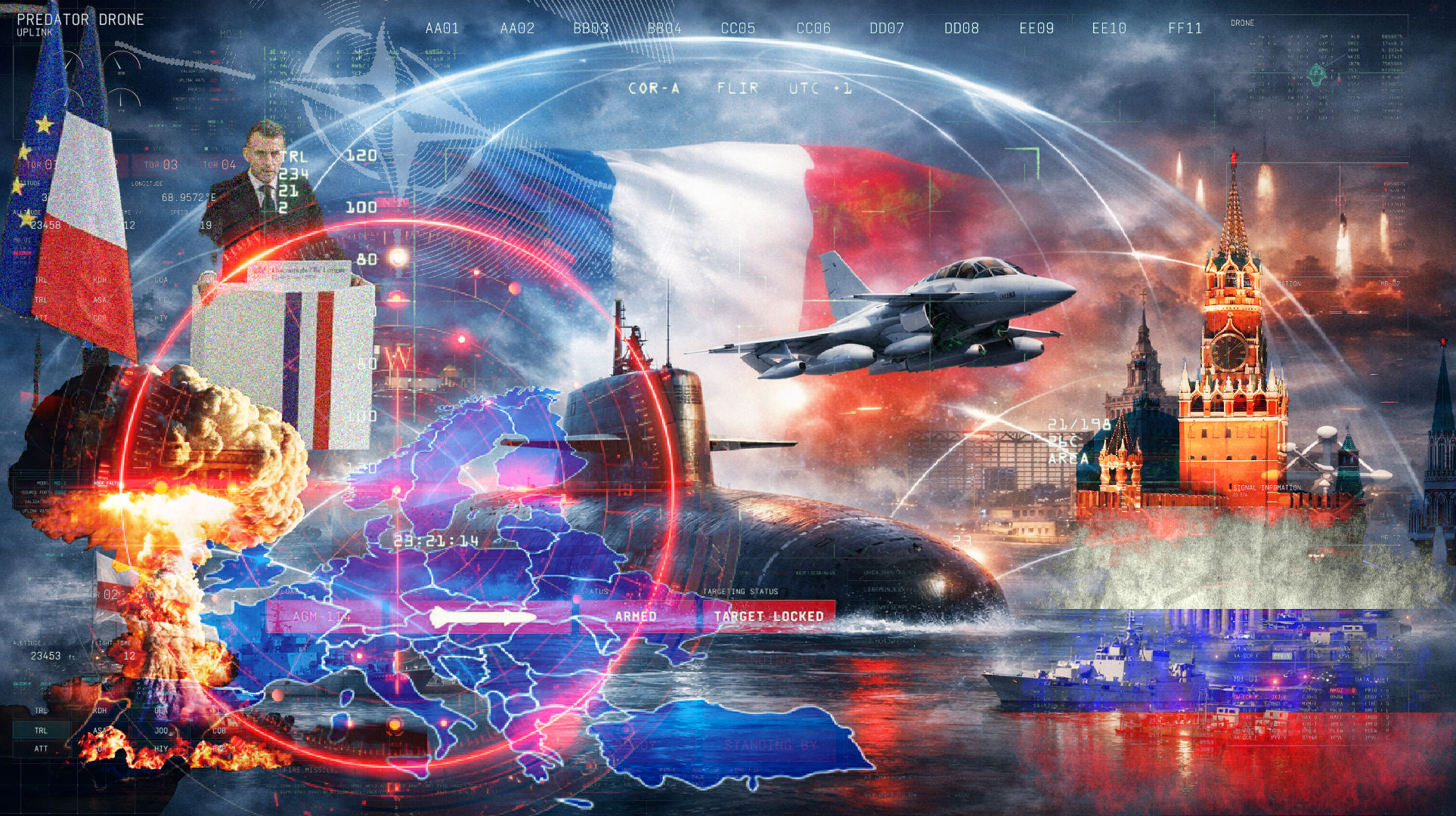
The biggest issue is the capability gap. France has roughly 290 deployed warheads (and plans to slightly increase this number). Russia maintains around 1,500strategic warheads, and a similar number of tactical ones. This is a huge gap that cannot be easily closed. Analysts expressly warn that even with new warheads the French arsenal will face serious difficulties penetrating Russia’s layered air defenses. There is neither the scale nor redundancy that the US arsenal provides.
Besides, there is an important doctrine-related gap. France fundamentally renounces the tactical nuclear weapons for battlefield use. Russia, in contrast, is actively preparing for such a scenario, including low-yield strikes. In case of a real escalation, European countries will still be heavily dependent on American B61 gravity bombs.
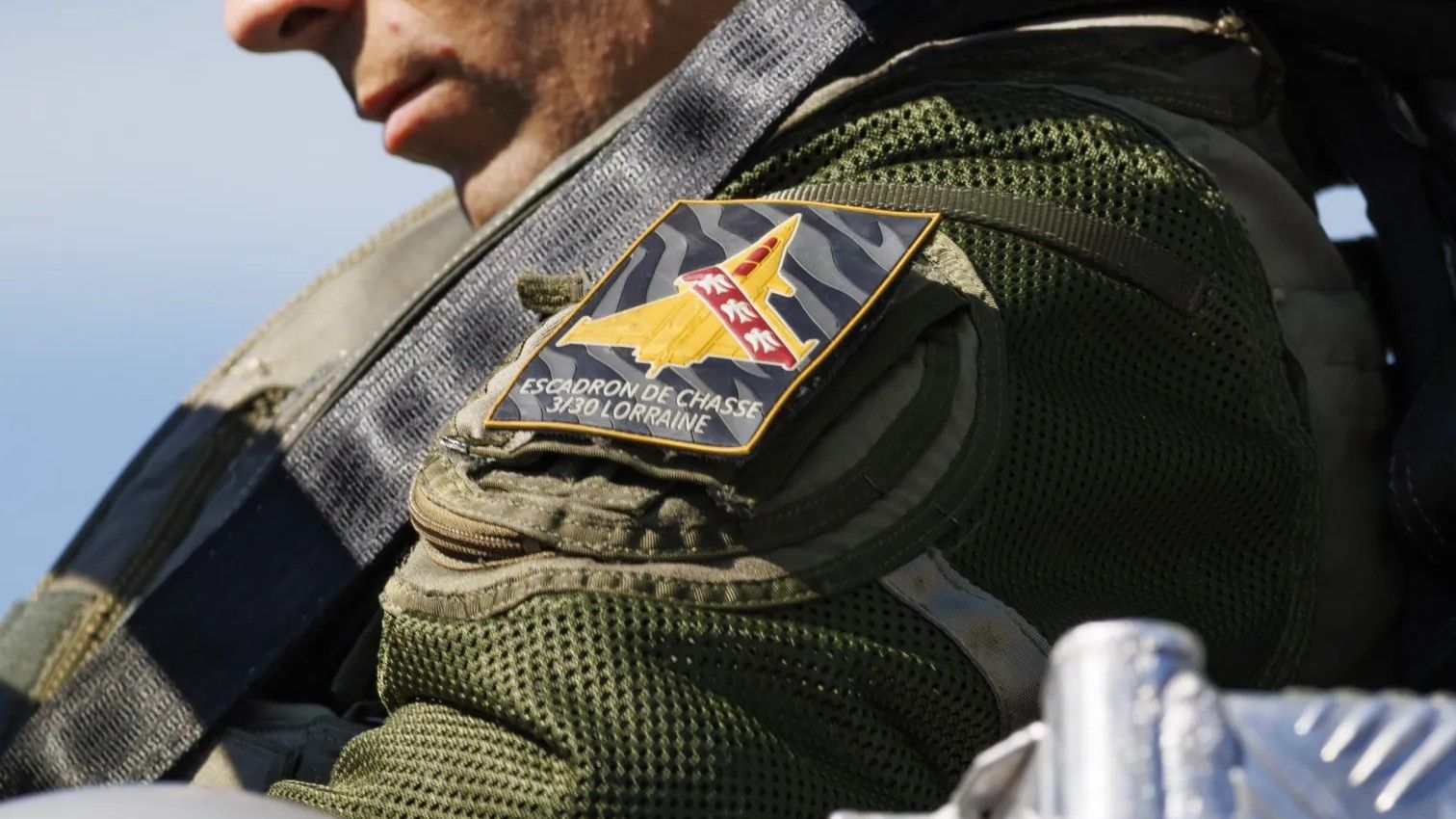
The operational gains of deploying the weapons in other countries are also relative. The decision to use nuclear weapons will always remain with the French president. Decades of France’s custom to act independently are still there. Europe keeps making the same mistake: it recognizes the threat too late, it is slow to rebuild its defence industry, and it spreads its force too thin. While we are busy discussing the French nuclear umbrella, China keeps strengthening its global standing and waits for the moment when Europe’s weakness is even more obvious.
Majcin’s article suggests that the French nuclear plan for Europe is primarily a political declaration rather than a real military shield. The warheads are too few, the doctrine is too narrow, the dependency on the will of one person and country is too big. Instead of a sense of strong security we get another reminder of a strategic vulnerability of the entire continent. If the US guarantees continue to weaken, and Russia and China continue to put their pressure on Europe, it will be left basically without any serious deterrence tools. Macron’s bold statements only underscore the depth of the problem rather than solving it. As a result, there is a growing concern over our common future.