World Center for Strategic Studies
From closed analysis to public debate

- MONTH
- YEAR

Foreign Contractors Stand To Gain As NATO Countries Spend Big On Defense
In a policy brief published by Investor’s Business Daily and dealing with the current trends in the European defense industry, the author Paolo Confino notes the sad but telling irony of the European countries rushing to raise their defense spending (Germany, to USD 127 billion in 2026, with France adding EUR 39 billion till 2030 and the UK heading for three percent of GDP), but much of the funds going to foreign contractors – Israeli (Elbit Systems), South Korean (Hanwha and Hyundai Rotem) and U.S. companies – rather than European manufacturers.
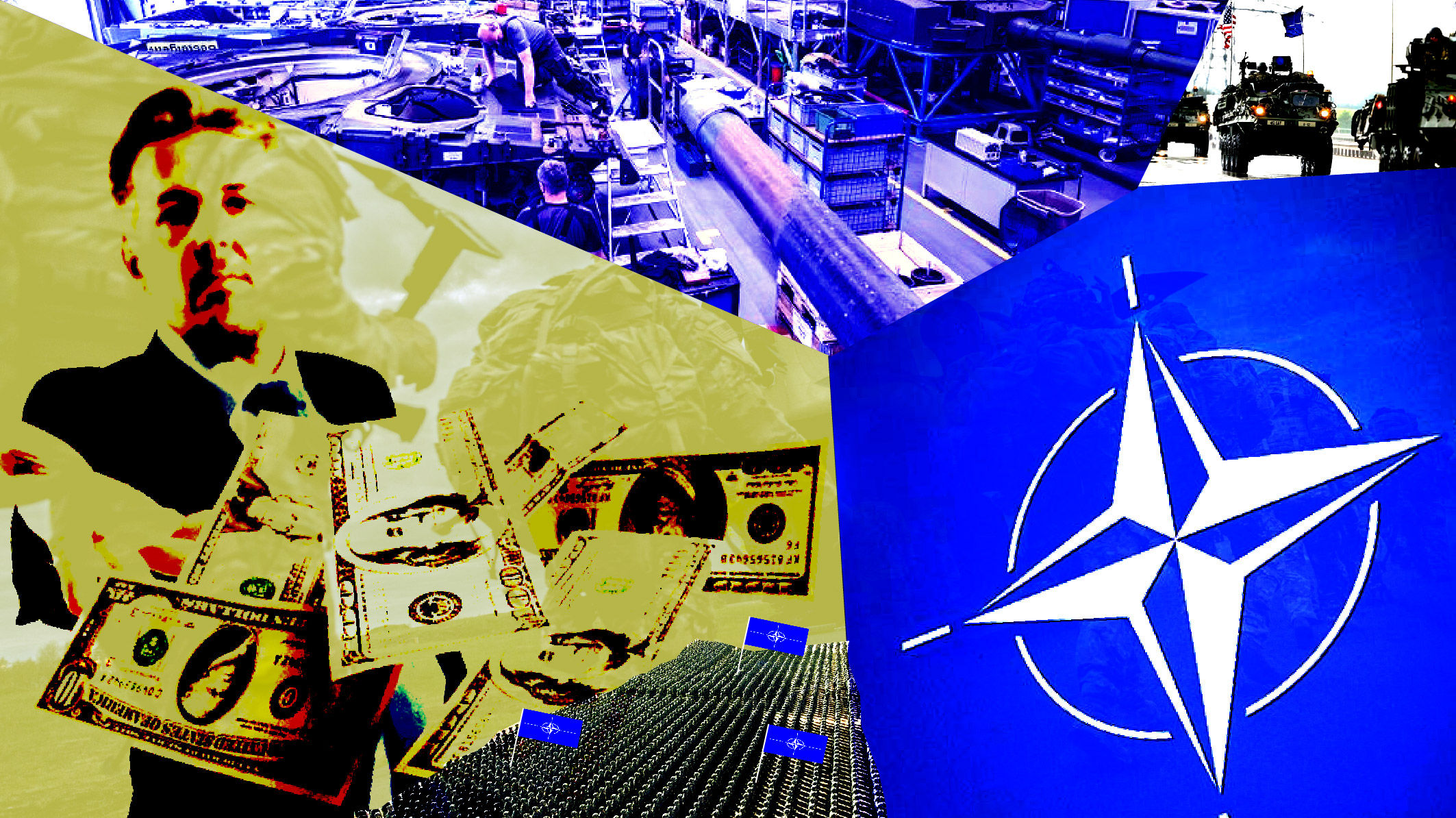
Mr. Confino underscores that the European defense industry is chronically lagging behind burgeoning demand, unable to offer the supply volumes and times required. Even smaller Baltic countries and Poland have to seek cheaper and quicker options abroad. And cooperation with Israel is getting politically toxic due to the situation in the Middle East, which creates additional reputational risks. All that stems directly from decades of underfunding, broken production chains and a naïve belief in ‘peace dividend’ after the Cold War.
The author notes that Europe has begun spending serious amounts at last, but instead of strengthening its own technological and industrial independence it strengthens its external dependence only. This is especially painful after the mistakes made on the Russian track: the years of ignoring the threat have left Europe’s own defense industry uncompetitive, even now that the danger is evident.
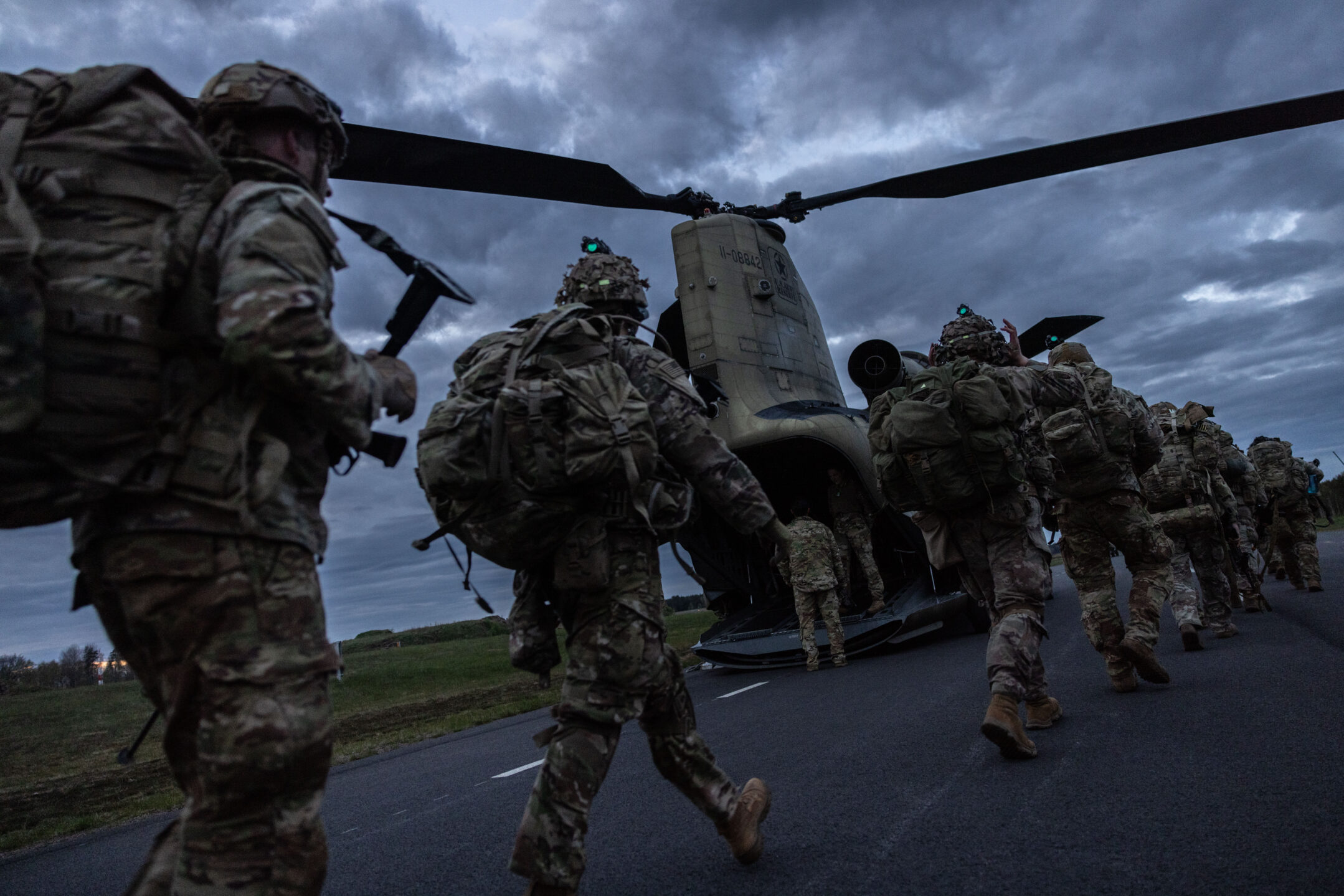
So the growing defense budget only serves to obscure Europe’s underlying weakness for now. Far from raising a powerful and self-sufficient European defense industry, the funds go away to foreign suppliers while the domestic industry remains uncompetitive. This is not a movement towards genuine sovereignty but further evidence of strategic helplessness. If Europe cannot scale up its own defense manufacturing quickly even now that the Russian threat is evident, then the situation could really turn critical in the case of a major actual conflict or serious pressure from China.