World Center for Strategic Studies
From closed analysis to public debate

- MONTH
- YEAR

Germany’s Welfare Drift: Social Policy Stuck in Neutral
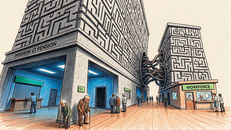
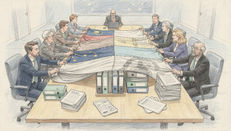
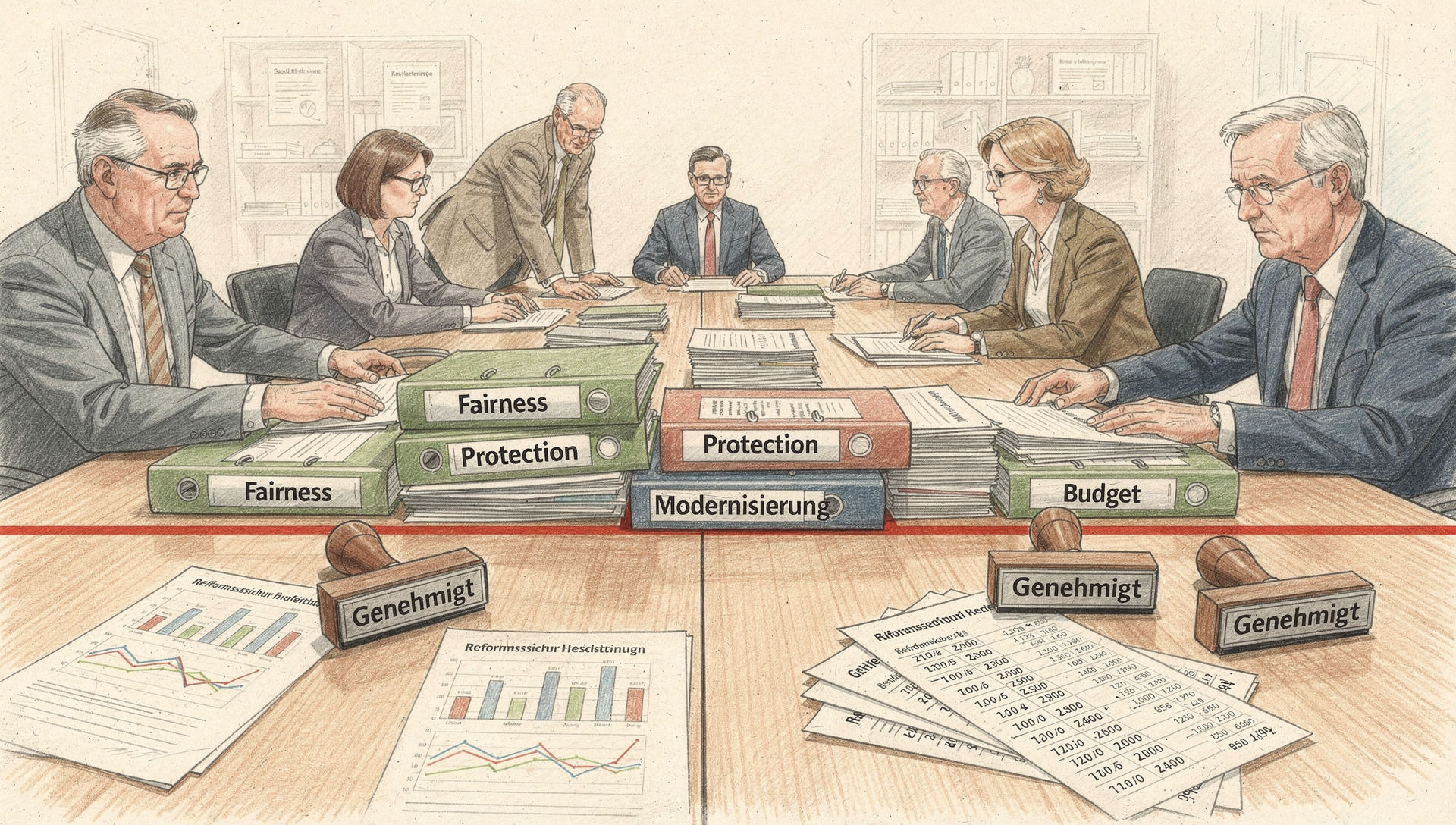
The analysis takes a hard look at Germany’s social policy record under the traffic light coalition and finds a reform agenda that promised change but delivered hesitation. Big pledges on fairness, protection and modernisation collided with budget limits, coalition infighting and a slowing economy. The piece argues that social policy has become reactive and fragmented, leaving Germany exposed as pressures mount.
At its core, the study says the coalition tried to do too much without deciding what really mattered. Ambition was high, coherence was not. Measures were announced to signal progress, but many lacked funding security or long-term planning. As costs rose and growth stalled, social policy turned into damage control rather than strategy.
Promises outrun capacity
The coalition set out to strengthen social protection and reduce inequality. The analysis shows how implementation lagged behind rhetoric, with reforms diluted or delayed once fiscal reality hit.
Budget pressure tightens fast
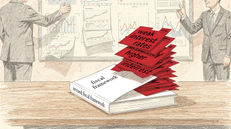
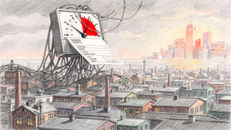
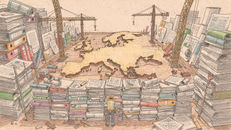
Higher spending collided with tighter finances. The paper highlights how inflation, energy costs and defence needs squeezed room for manoeuvre, forcing trade-offs politicians were reluctant to admit.
Coalition politics slow delivery
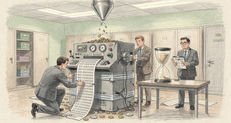
Ideological differences inside the government shaped outcomes. The analysis points to compromises that satisfied no one fully, producing piecemeal policy instead of clear direction.
Labour market tensions grow
Germany’s labour market faces shortages, ageing and rising welfare costs. The study warns that social policy has struggled to adapt, risking lower participation and higher long-term burdens.
Public expectations rise, trust falls
Voters were promised stability and fairness. The analysis shows how uneven results fuel frustration, especially among groups facing higher living costs and uncertain support.
Next government inherits the mess
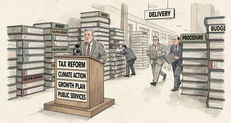
Unfinished reforms and unresolved funding questions are passed on. The paper stresses that postponement does not neutralise conflict – it compounds it.
The uncomfortable truth: Social policy lost momentum
Germany did not reform too little by accident. It avoided hard choices.
Unless the next government restores clarity and prioritisation, social policy will remain stuck between promise and restraint. Germany risks a welfare system that costs more, delivers less and deepens the sense that politics is managing decline rather than shaping security.