
World Center for Strategic Studies
From closed analysis to public debate

- MONTH
- YEAR

Will the EU Migration Pact Be Ready for Implementation?
The European Policy Centre, a Belgian-based non-profit think tank that fosters European integration through analysis and discussions, hosted a series of joint topical discussions with Egmont – the Royal Institute for International Relations. The debate concentrated on a turning point on EU migration policy: the New Pact on Migration and Asylum is due to be fully implemented already in June 2026. How ready is it?
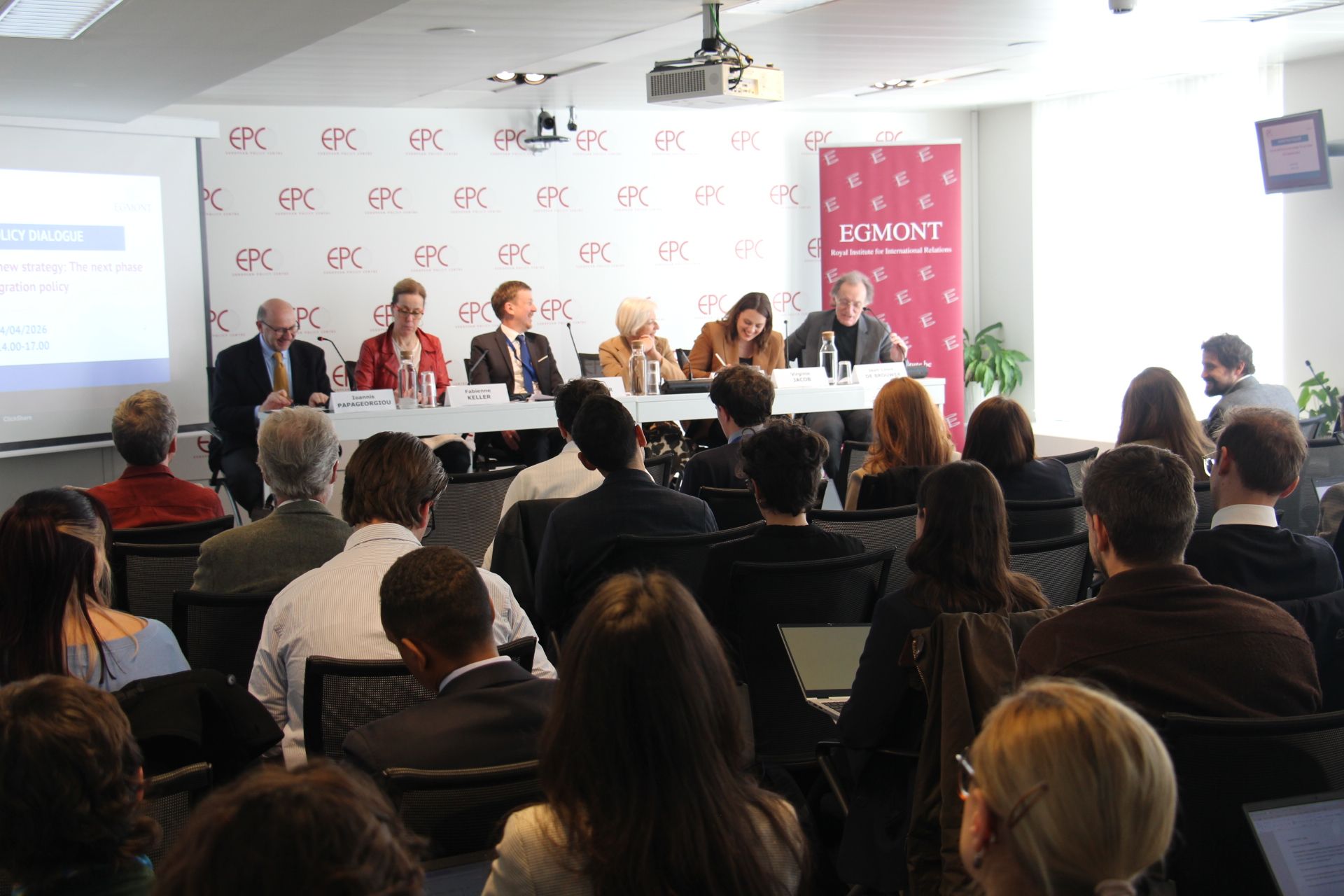
The first panel focused on implementation, preparedness and the remaining political and operational challenges as the Pact moves from negotiation to delivery.
Speakers concurred that full implementation should mark a shift from a ‘crisis-driven’ approach to a more managed one. They stressed that the Pact will only work if all components move together, given how interdependent the system is. It was noted that uneven preparedness across member States could produce fragmented practices on the ground. Maintaining the right balance – politically and operationally – between responsibility and solidarity would be essential. A recurring message was that enforcement must go hand in hand with protection of migrants.
Some noted that today’s policy initiatives do not always reflect the original compromise negotiated in the reforms.
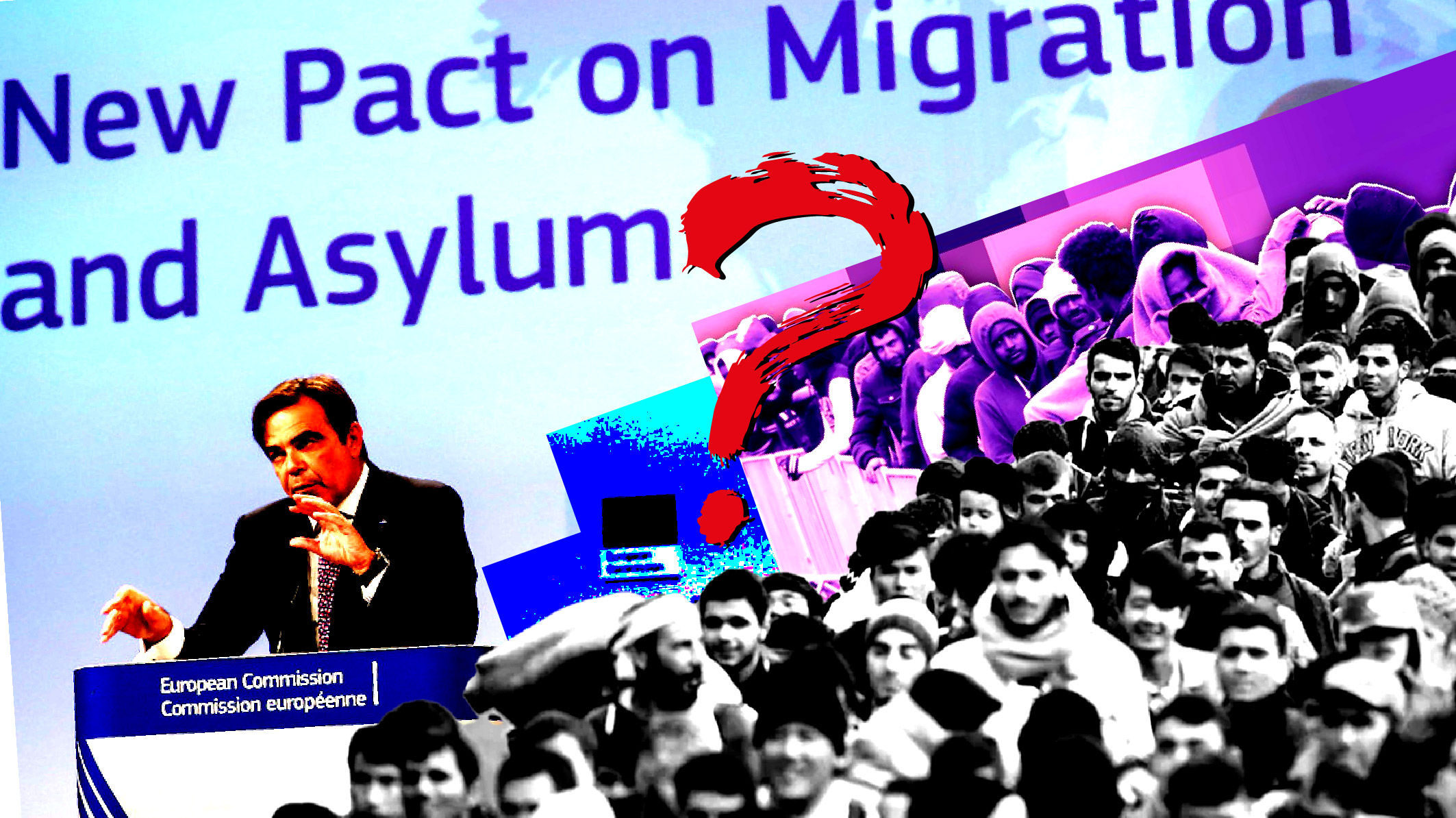
The second panel turned to the Commission’s new five-year strategy, presented in January, which seeks to integrate internal and external migration policy around three objectives. These include preventing irregular migration, protecting those in need, and attracting talent.
Speakers highlighted the strategy’s strong external dimension – effectively codifying ‘migration diplomacy’. They questioned how to ensure delivery on areas with less political appetite at national level, particularly labor migration and enhanced protection in a spirit of responsibility-sharing.
They also raised practical concerns about reception capacity, how to pair returns reform with reintegration and third-country capacity, and how progress will be monitored and resourced – even as the Commission stressed that the strategy reflects EU values and does not imply trade-offs between objectives. Even though plurality of opinions seems a key point for European bureaucracy.
On the other hand, the key contradiction of the reform stays unresolved until now. As has repeatedly been noted, the bulk of irregular migrants entered Europe quite legally. They became irregular as a result of actions by European bureaucrats who will hardly admit their mistakes on their own.